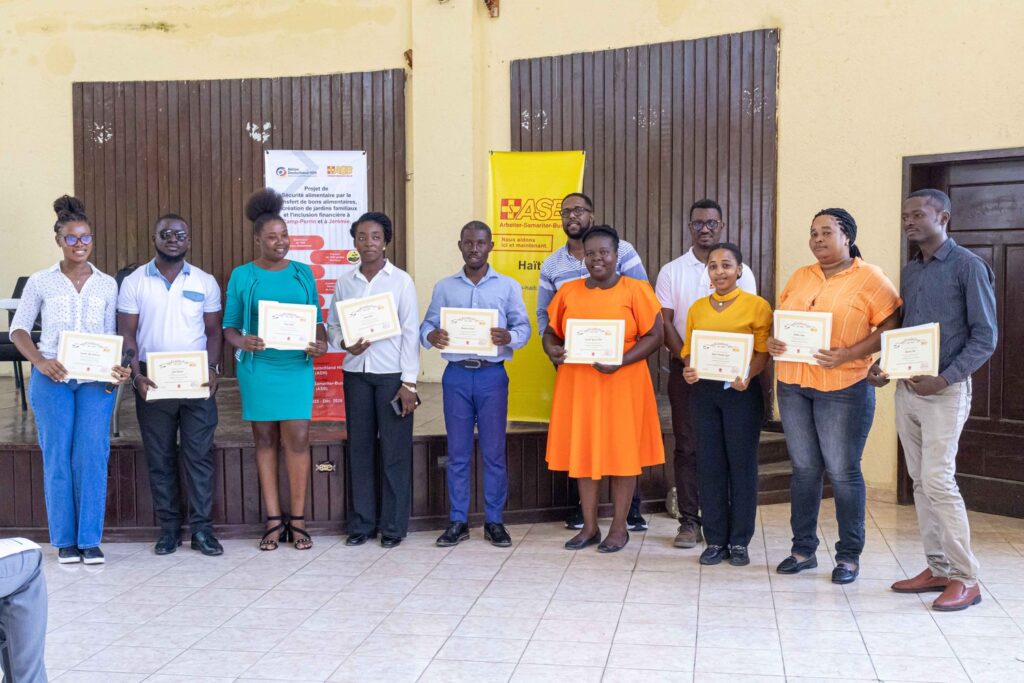
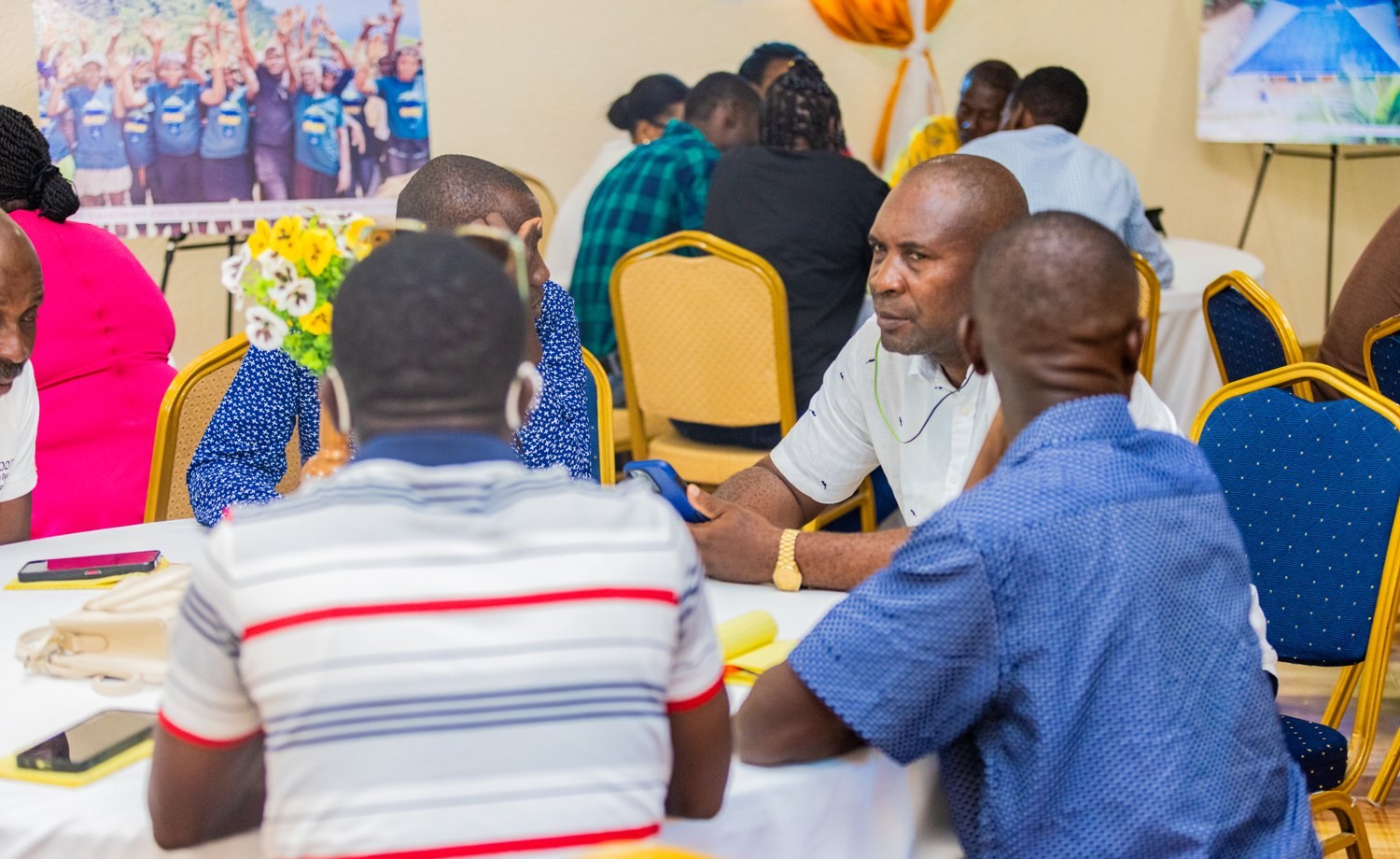
In southern Haiti and Grand’Anse, the ongoing degradation of ecosystems, growing pressure on water resources, and intensifying climate shocks continue to test the ability of these regions to maintain essential services and sustainable livelihoods. It is with this in mind that, on Friday, August 21, 2026, the Arbeiter-Samariter-Bund (ASB) once again brought together institutional, technical, and community stakeholders from the South and Grand’Anse at Hotel Le Recul in Camp-Perrin, a few months after a first forum held in the same venue in December 2025. This second meeting is part of the same two complementary projects: the project “Strengthening the resilience of ecosystems and communities threatened by climate change in the Macaya Biosphere Reserve” (Climate II), funded by the German Federal Ministry for Economic Cooperation and Development (BMZ), and the project “Strengthening local capacities for climate-sensitive and universal water, sanitation, and hygiene (WASH)” (ECT WASH), supported by the German Federal Foreign Office (GFFO).
A consultation built to last
As in the first edition, the forum brought together state institutions, local authorities, community organizations, technical partners, and civil society representatives from the South and Grand’Anse, fostering exchanges across local, municipal, and departmental levels. The objective remained the same: share experiences, highlight good practices, and identify concrete avenues for better local water governance and sustainably improved WASH services. This second edition confirms that the consultation begun in December was not a one-off exercise: ASB has just extended both projects in the region until October 2026, and intends to rely on this same dialogue framework until the end of its work there.
Two themes, one shared challenge: lasting over time
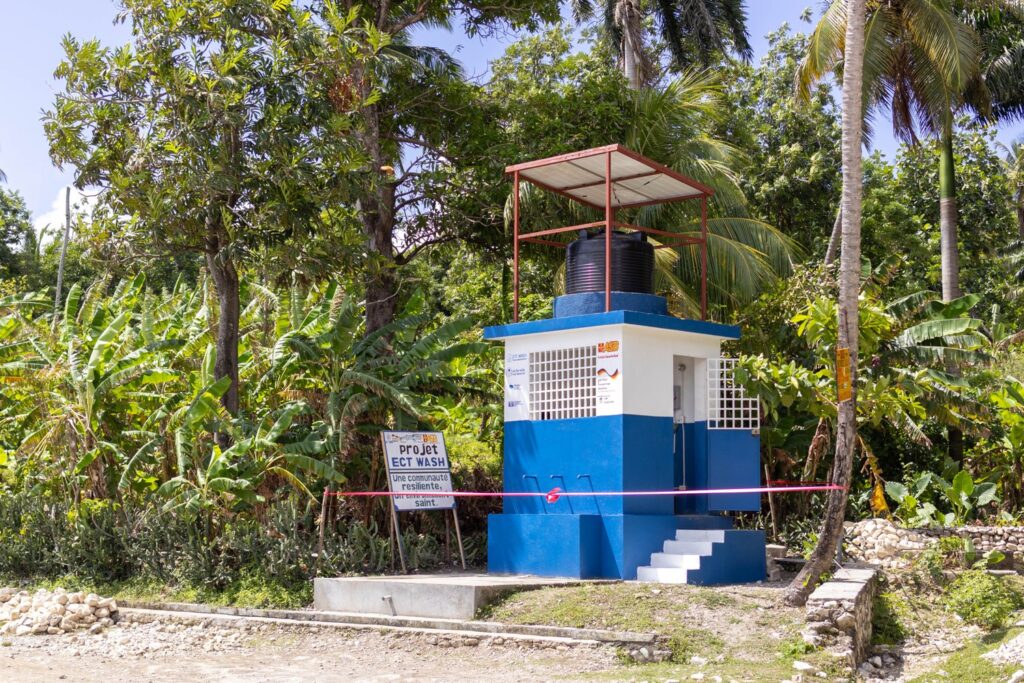
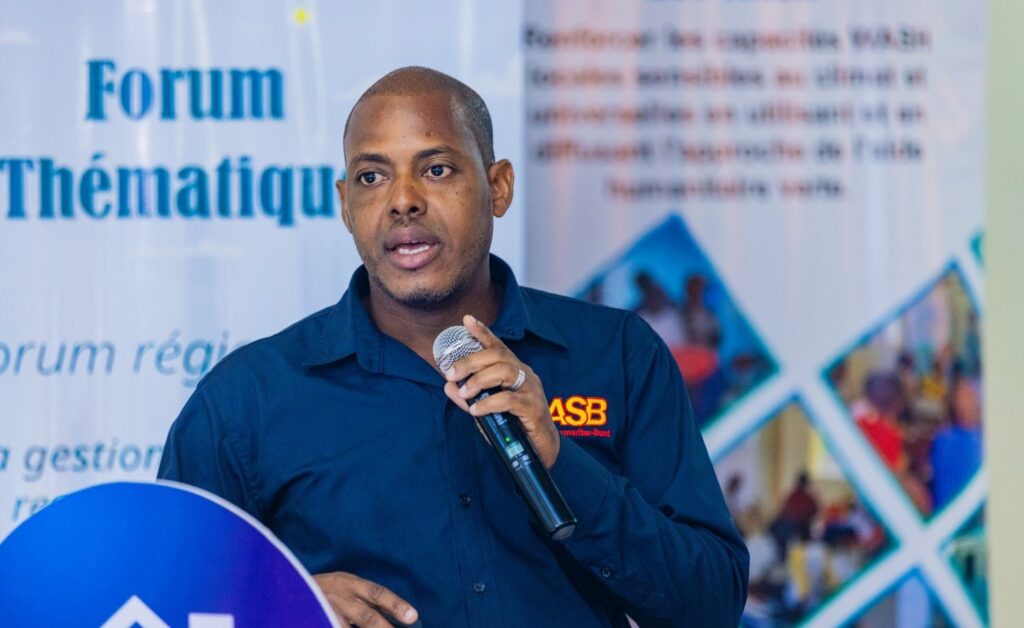
Sustainably strengthening WASH infrastructure. Paul Harry Jeanty, manager of the ECT WASH project, spoke on the sustainable strengthening of water, sanitation, and hygiene infrastructure. His presentation addressed adapting this infrastructure to communities’ realities and the need to design solutions able to meet current needs while remaining functional over the long term, in an area where water points and sanitation facilities remain exposed to climate hazards.
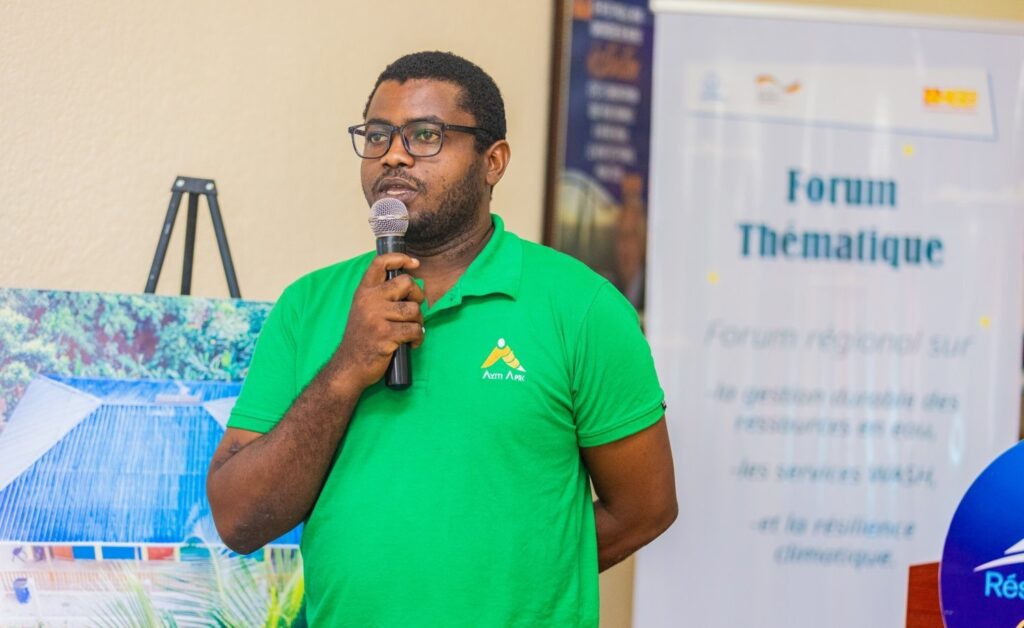
Beekeeping, a climate-resilient value chain. Agronomist Moreau Aldo Menov, for his part, presented the links between climate change, community resilience, and the development of the beekeeping value chain. Production, processing, packaging, and marketing of hive products: the honey industry was presented as a concrete opportunity to strengthen local economic activities, provided that the environment and biodiversity on which rural communities directly depend are protected. This is the first economic theme brought this clearly into this consultation framework, alongside water and infrastructure issues.
From presentation to collective reflection
After the two presentations, participants took part in a participatory workshop designed to go beyond the presentation stage. It allowed them to:
- share their understanding of the topics addressed and their respective concerns;
- compare their views on water management and WASH services;
- identify the difficulties specific to each of their communities;
- reflect collectively on solutions suited to local realities, drawing on participants’ own experience rather than top-down recommendations.
A consultation set to continue
By bringing these stakeholders together for a second time around the same table, ASB confirms that water management, sustainable infrastructure, and the development of environmentally responsible economic activities remain closely linked levers for climate resilience in the South and Grand’Anse. With both projects now extended until October 2026, this territorial dialogue dynamic is not expected to stop there.